

What is lost and gained when making it digital?
Images, text, documents, games, streaming have all become digital. When you think about life just a couple centuries ago, every aspect occurred in the physical realm. This makes it more accessible for people on the internet and allows for these objects/concepts to be shared, copied, and not lost to damage. I will take a deeper look at specific items and describe how making them digital comes with drawbacks and benefits.
Images
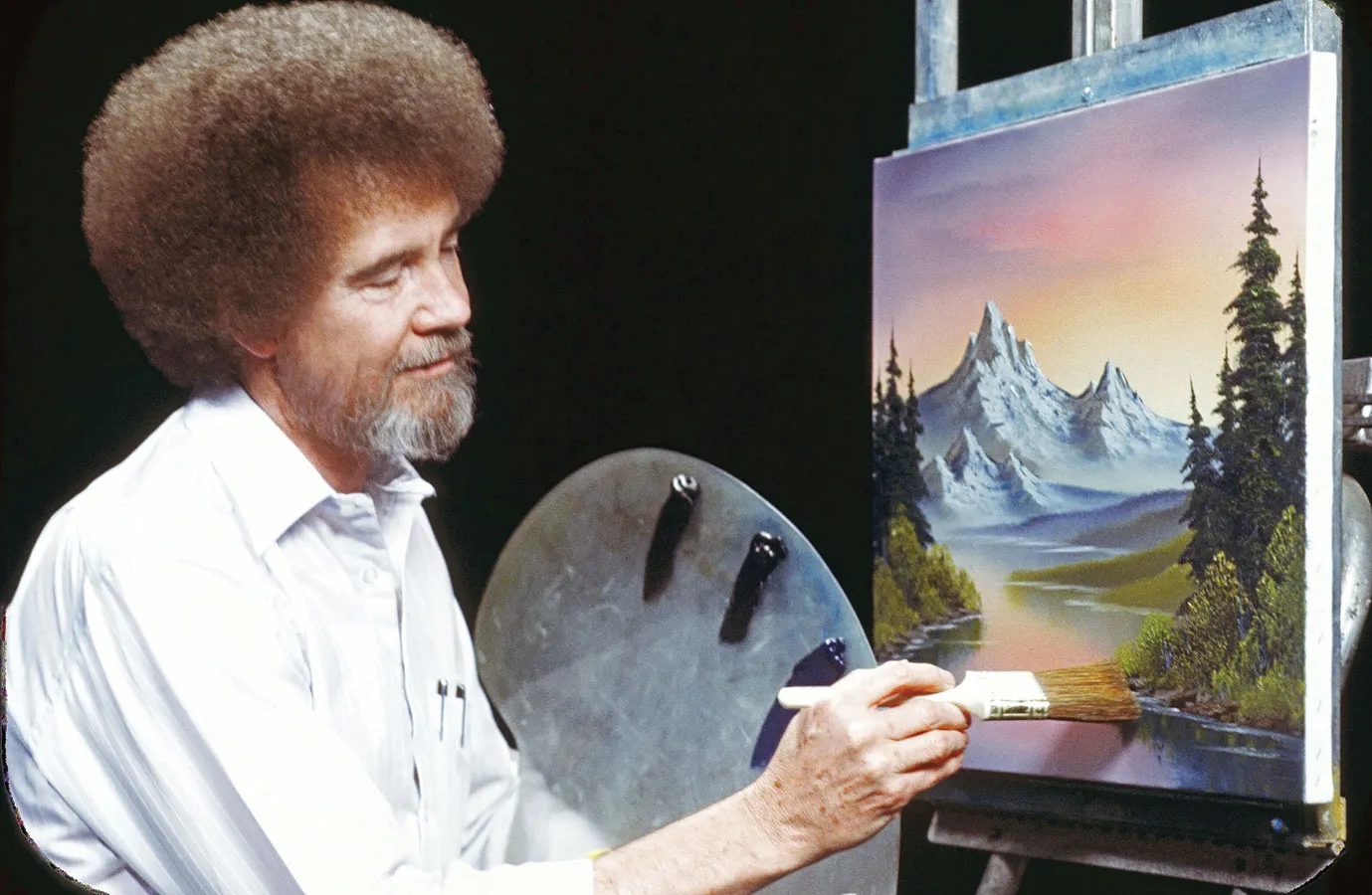
Making images themselves digital, I believe has only had positive impacts. It allows them to be shared online through the internet, so people can copy, share, and explore the world from their home. Paintings, like what Bob Ross pictured above was famous for, have become largely impacted by AI. New LLM’s can produce real life quality pictures that can altar our idea of what’s real and what’s fake. This can be helpful in the accessible sense, where it gives people the idea of creative innovation. The everyday person can enter a prompt they want the ai to create for them, and then within seconds they have a beautiful picture. An example of this could be a random homeowner wants to redo their backyard and is looking for ideas on a deck, pool, and other amenities. That person can put a picture of their backyard into an ai image generator and become inspired.
Why this can be bad. AI has become so realistic to the point where it can be used to fake real life events, people, and places. This could fall under the category of propaganda and I could honestly see careers ruined over faked videos. Another aspect to this is the reduced need for real painters. Rather than needing someone to come paint a picture of something, the digital version through ai could create it therefore taking jobs.
Currency
Every society in history has had some form of currency to exchange goods. As we have evolved through time, our currency in the United States, the dollar, has now had the ability to be entered into our smartphones. Features like touch to pay, venmo and apple pay have seemingly been implemented in every business. Instead of banks physically holding your money, it is stored electronically in the digital world. This comes with benefits and disadvantages that can be argued either way.
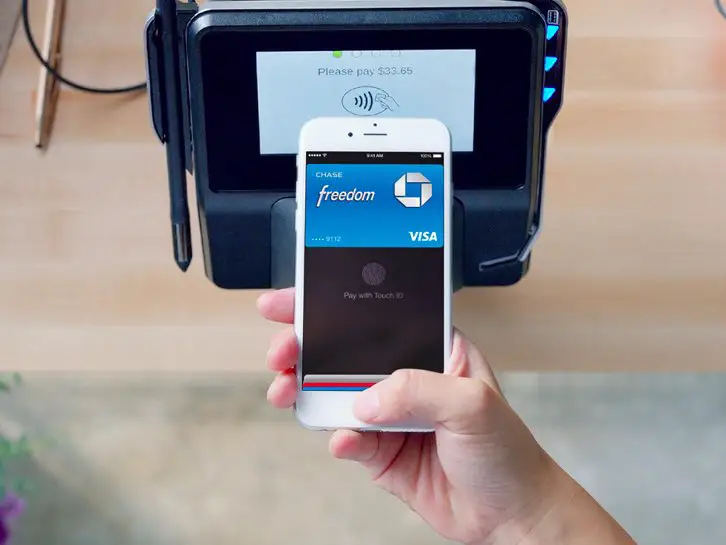
Making currency a digital item rather than the physical dollar (although not completely digital) is efficient in paying, and easy to access information like statements and spending habits. In a second, a person can check their bank account and then pay for something all from their phone. Some disadvantages about this is the risk it allows cyber hackers to gain. Your payments begin to start leaving digital trails for hackers to pick up on and create potential fraud. Personally I also believe it is a potentially scary idea to have your life’s savings not physically in your possession.
Letters / Messaging
Taking weeks to receive messages from loved ones who would fit as much ink on a piece of paper has shifted to a digital fixed version that can be sent and received in less than a second. This is always seen as a plus, however I would also like to point out the disadvantages while still acknowledging the benefits.
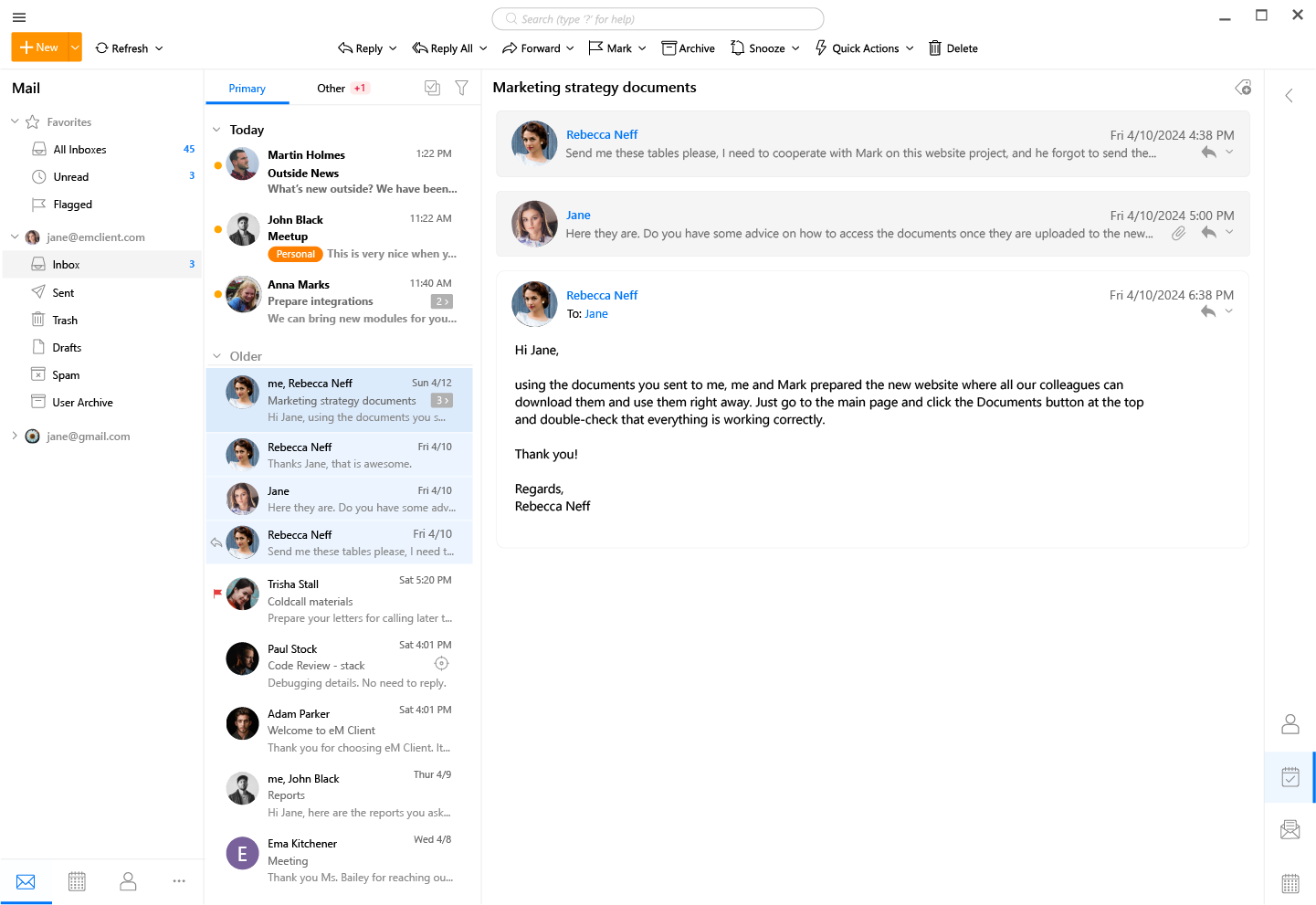
Texts, emails, direct messaging and many others have completely reshaped relationships, work conversation, and long distance communication. There is not limit on the amount of words, pages, and information one can fit on a message. This is extremely beneficial and efficient.
However, digitizing letters and communication also came with disadvantages. Handwritten letters used to feel much more personal and intentional because they took time, effort, and patience. Waiting for a response made communication feel more meaningful, while now messages are expected to be answered almost instantly. Emails, texting, and direct messaging have created pressure for people to always be available and connected. Conversations can also feel less emotional and genuine because tone and expression are harder to understand through a screen. In many ways, digital communication made staying in contact easier and faster, but it also made communication feel less personal and sometimes overwhelming because people are constantly receiving notifications, messages, and information.