

Advantages and Limitations of Digital Representation
Throughout time, objects, ideas, and representations can be categorized as digital or analog. This blog will explore how it has been advantageous while also being limited from a historical viewpoint and into a modern timeline.
Being digital means that there are a fixed number of outcomes. Pictured above, an original weaving machine called a loom was digital as the pedals corresponded to either over or under. It was an advantage at this time to have this digital system because that meant the physical complexity of the weaves were made much simpler as the loom would thread either over and under. All the user had to do physically, was choose the right pedal that fit their design.
However, this digital invention also had its limitations. Due to the digitalization, there were only two outcomes of over or under which meant time consumption. Back when this machine was in use, it would take two mean working all day to construct an inch weave.
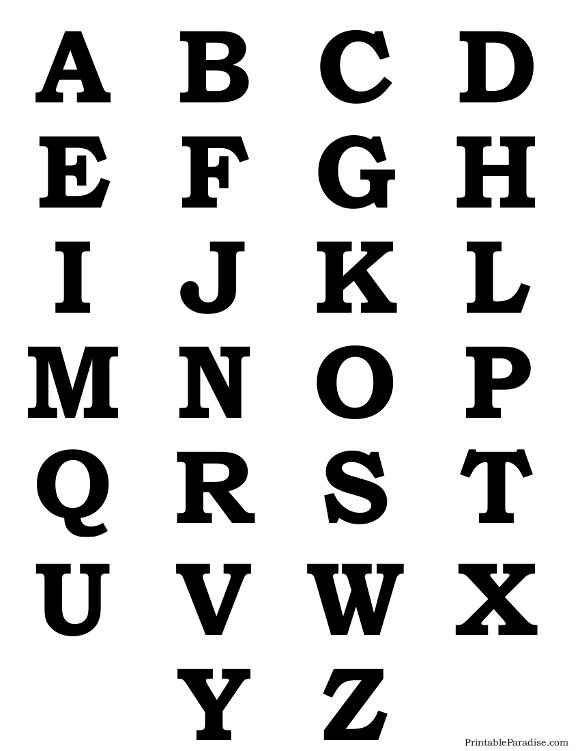
Analog is when you cannot separate the signal from the noise, while digital can.
If you think about this alphabet pictured to the left, it can be imagined to work with that last sentence. Without have a digitalized alphabet, there could be infinite letters. Think about the different styles of handwriting every person in the world has. To be digital, it must have a fixed number of possible outcomes. That means that the alphabet, if written by hand would be analog.
Back to that first sentence, you can think about the signal as the shape of a perfect letter.
The Noise can be the different styles of writing the same letter.
From an analog perspective, every letter kind of looks the same but there are infinite styles they can reach. Digitalizing the alphabet allowed us to still recognize the distinction between letters.
It can almost be thought of as the different fonts are the fixed number of possible ways you can write a letter. This obviously limits the creative aspect of the analog handwriting. It makes it black and white and “forces us” to choose a style of writing.
A final example of a hobby that has existed for the last 200 years is hobby of photography. Back in the 19th century when cameras were first invented, they were analog machines. The earliest process of capturing photos included a chemical reaction that captured light onto film with a direct outcome. There were infinite ways this process would work with varying light poking through to the final image.
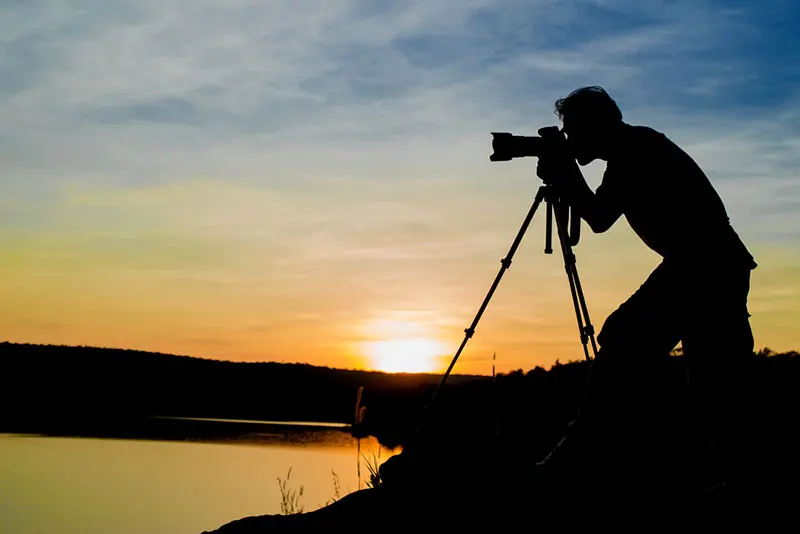
This became an entirely digital process when digital cameras were invented. This new invention allowed the devices to capture the light pictured in front of it into pixels which were encoded as 1’s and 0’s. This also created new advantages when it came to speed and storage. Cameras could now keep digital copies that could be sent copied and distributed in extremely cheaper ways.
The digital camera came with all advantages against the previous analog way, but I only see one one area that it is limiting. This is a unique perspective that it could be said that before smartphone cameras, every picture was taken with extreme care as it costed a lot of money, time, and could not afford to mess up the shot. I believe there was more intent and dedication to each photograph compared to the millions we take everyday.