
The Similar yet Different Process
The Human Mind has been constantly evolving for 300 million years, yet artificial intelligence seems to be closing the skill gap. Will it ever reach our brains natural capacity? This post is more of a comparative post that will explore how the brain works, how artificial intelligence (AI) works, and then how they are similar yet different.
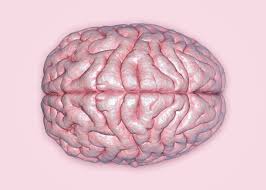
According to neuroscientists, ecologists, anthropologists, and philosophers, the human brain is one of the most unique complexities in the world. The brain uses a fifth of the bodies blood supply and only 20 percent of the bodies available energy to perform everyday as the nerve control center for the entire body.
There are 86 billion neurons within the brain that all work together in tree and branch-like formations. The Neurons receive information through neurotransmitters which is where the magic happens. Each of these neurons is connected to 17,000 other neurons so the entire brain is working in a network all at the microscopic level. These neurons are very unique as they do not just carry information, but also change it to help the brain perceive it. This idea leads the brain being able to evolve over time and grow certain areas. This can help genes regulated by the enviroment and even help predict energy needs for the brain.
Artificial intelligence is completely different in terms of available use. Although AI systems have existed since the 1990’s, the public has only been able to use AI in everyday activities since 2022. This can be seen similarly to how nobody ever thought mobile phones would take over our lives like they did – except we are still far to early to see the future of AI.

Current AI models are based upon training and evolving, meaning that the more energy and training we teach these systems, the more efficient they become. This is a huge advantage for the brain as it handles common sense largely better than any AI mode due to it not needing any previous training on the manner. However, a major difference between these systems and the brain is the time it takes to process information. The brain’s neurons take 1 millisecond to capture information which is a billion times slower than electrons within computers. Another advantage when storing information is quantum computing for AI. It can branch out its information into infinite universes and then recapture that info once it was already learned. Although our brains might know they answer, we cannot always remember it.
On a closing note for artificial intelligence, the amount of energy it takes for an efficient system to benefit our society comes at an enormous cost to the environment as warehouses to store information for the systems are rapidly increasing globally. Our brains on the other hand work for free.